04 juin 2026
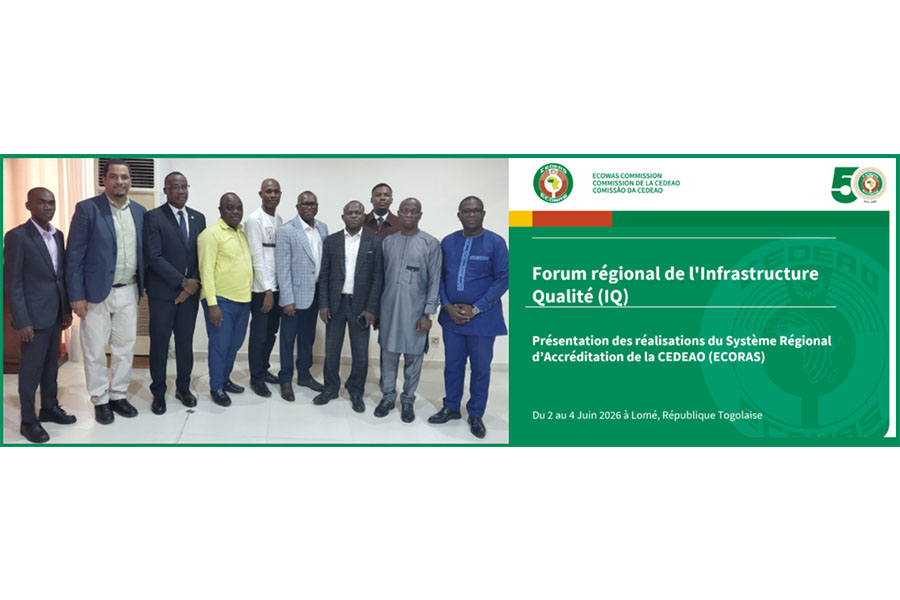
Lomé, June 2–4, 2026 – The ECOWAS Regional Forum on Quality Infrastructure was held in Lomé, Togo, from June 2 to 4, 2026, bringing together key stakeholders in accreditation and conformity assessment in West Africa. This strategic event highlighted the major advances of the ECOWAS Regional Accreditation System (RAS), the importance of international recognition in accreditation, and ongoing operational synergies, particularly around the STDF PG 770 program for the digitalization of food safety compliance systems.
The Regional Accreditation System: A Strengthened Architecture
The ECOWAS Regional Accreditation System (ECORAS) comprises national accreditation bodies (GHAS in Ghana, NiNAS in Nigeria) and the West African Accreditation System (SOAC) for the WAEMU, working closely with representatives from the private sector and consumer protection organizations. ECOWAS, through ECORAS, chairs the AFRAC (African Accreditation Cooperation) stakeholder group.
A major international recognition has been achieved: SOAC and NiNAS have signed the Mutual Recognition Agreements (MLA/MRA) of the IAF and ILAC (now grouped under GLOBAL ACI), thereby strengthening the credibility of regional accreditation certificates and facilitating trade. This progress is confirmed by UNIDO's IQ4SD index, which demonstrates that a high-performing accreditation body leads to more robust quality systems and greater business competitiveness.
Operational Synergies and Modernization Initiatives
The forum identified synergies between certain regional initiatives, including:
The Senior Technical Advisor for the Trade Mark program invited SOAC to participate in the upcoming kick-off meetings to operationalize these Synergies.
Impacts and Strategic Challenges
The forum highlighted that:
Challenges and Recommendations
Despite these advances, structural challenges persist:
These challenges have been addressed in recommendations to ensure the sustainability of the systems and the effectiveness of regional investments.
An Opportunity for Continental Visibility
A major upcoming opportunity has been identified: the visit of the President of GLOBAL ACI to Côte d'Ivoire in July 2026. This will be the first meeting in sub-Saharan Africa for this new entity resulting from the merger of IAF and ILAC. This visit, which could be organized with the support of the ATCMA program, represents a unique opportunity to strengthen the visibility of ECORAS and ECOWAS on the continental accreditation stage.
Conclusion
The ECOWAS Regional Forum on Quality Infrastructure confirmed the positive momentum of the Regional Accreditation System and the strategic importance of harmonizing practices. Initiatives such as STDF PG 770 are part of this approach to modernization and strengthening regional competitiveness. In a context of accelerated continental integration, West Africa now has a quality infrastructure that continues to modernize.
The Regional Accreditation System: A Strengthened Architecture
The ECOWAS Regional Accreditation System (ECORAS) comprises national accreditation bodies (GHAS in Ghana, NiNAS in Nigeria) and the West African Accreditation System (SOAC) for the WAEMU, working closely with representatives from the private sector and consumer protection organizations. ECOWAS, through ECORAS, chairs the AFRAC (African Accreditation Cooperation) stakeholder group.
A major international recognition has been achieved: SOAC and NiNAS have signed the Mutual Recognition Agreements (MLA/MRA) of the IAF and ILAC (now grouped under GLOBAL ACI), thereby strengthening the credibility of regional accreditation certificates and facilitating trade. This progress is confirmed by UNIDO's IQ4SD index, which demonstrates that a high-performing accreditation body leads to more robust quality systems and greater business competitiveness.
Operational Synergies and Modernization Initiatives
The forum identified synergies between certain regional initiatives, including:
- The STDF PG 770 Program ("Using digital tools to improve compliance with food safety standards in West Africa"), which aims to digitize and dematerialize accreditation processes via the SOAC E-CONNECT platform, reducing costs and accelerating processing times for SMEs.
- The ECOWAS SPS-Trade Mark Program, deployed along the Abidjan-Lagos corridor, whose complementary objectives offer an opportunity for harmonization and avoidance of duplication.
The Senior Technical Advisor for the Trade Mark program invited SOAC to participate in the upcoming kick-off meetings to operationalize these Synergies.
Impacts and Strategic Challenges
The forum highlighted that:
- International recognition of SOAC and NiNAS by GLOBAL ACI strengthens credibility and facilitates market access for companies in the region.
- Digitalization and modernization of accreditation systems are critical levers for improving the efficiency and accessibility of accreditation.
- The integration of the AfCFTA offers a unique opportunity to harmonize accreditation standards and practices across the continent, making ECOWAS a key player in quality in Africa.
- The growing influence of ECOWAS within AFRAC (chairmanship of the stakeholder group, participation in strategic bodies: MRA Council, MRA Com, EXCO) consolidates the region's voice in international decisions relating to accreditation.
Challenges and Recommendations
Despite these advances, structural challenges persist:
- Sustainable funding for accreditation bodies
- Training of bilingual (English-French) assessors to harmonize practices
- Strengthening of regional laboratories and calibration capacities
- Regular organization of SRA and subcommittee meetings
These challenges have been addressed in recommendations to ensure the sustainability of the systems and the effectiveness of regional investments.
An Opportunity for Continental Visibility
A major upcoming opportunity has been identified: the visit of the President of GLOBAL ACI to Côte d'Ivoire in July 2026. This will be the first meeting in sub-Saharan Africa for this new entity resulting from the merger of IAF and ILAC. This visit, which could be organized with the support of the ATCMA program, represents a unique opportunity to strengthen the visibility of ECORAS and ECOWAS on the continental accreditation stage.
Conclusion
The ECOWAS Regional Forum on Quality Infrastructure confirmed the positive momentum of the Regional Accreditation System and the strategic importance of harmonizing practices. Initiatives such as STDF PG 770 are part of this approach to modernization and strengthening regional competitiveness. In a context of accelerated continental integration, West Africa now has a quality infrastructure that continues to modernize.